



How Long Does a Typical London Extension Take? (2026 Timeline Guide)
If you’re planning a home extension in London, one of the most common questions homeowners ask is: how long will the project take from start to finish?
The truth is that every extension is different. However, understanding the typical timeline can help you plan your budget, minimise disruption, and set realistic expectations.
In this guide, we explain the full process—from initial design to completion—so you know exactly what to expect in 2026
Average Timeline for a London House Extension
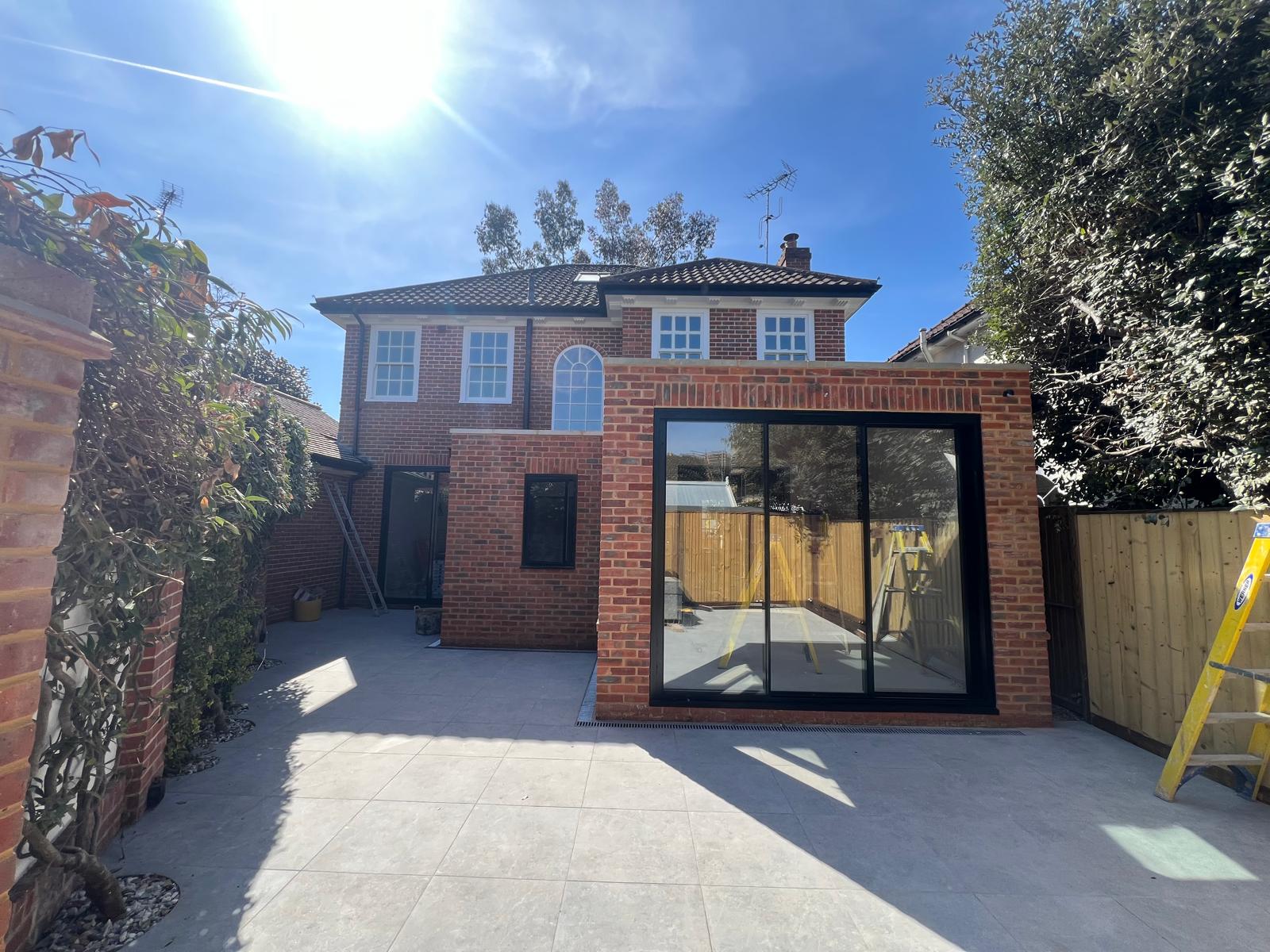
In 2026, a typical London extension takes 6 to 12 months from the first design consultation to final completion. Larger or more complex projects, such as basements, may take longer.
Here’s a general overview:
- £52,000 – £100,000
- £2,500 – £4,000 per m²
Popular types:
- Dormer loft conversion
- Mansard loft conversion
- Hip-to-gable conversion
Basement Extension Cost London
Basement extensions are common in areas like Kensington and Chelsea, where space is limited.
Here’s a general overview:
Stage
Initial consultation & brief
Design & planning
Planning approval
Technical drawings
Construction
Timeframe
2–4 weeks
2–4 months
8–12 weeks
4–6 weeks
3–9 months
This timeline can vary depending on planning requirements, design complexity, and contractor availability.
Stage 1: Initial Consultation and Project Brief
The process usually starts with a consultation with an architect or design and build company. Organisations such as Royal Institute of British Architects recommend taking time to clearly define your goals before starting the design.
What happens at this stage:
- Discuss your vision and budget
- Site visit and feasibility
- Initial cost guidance
- Advice on planning and regulations
Typical duration: 2–4 weeks
This stage is crucial to avoid costly changes later.
Stage 2: Design Development
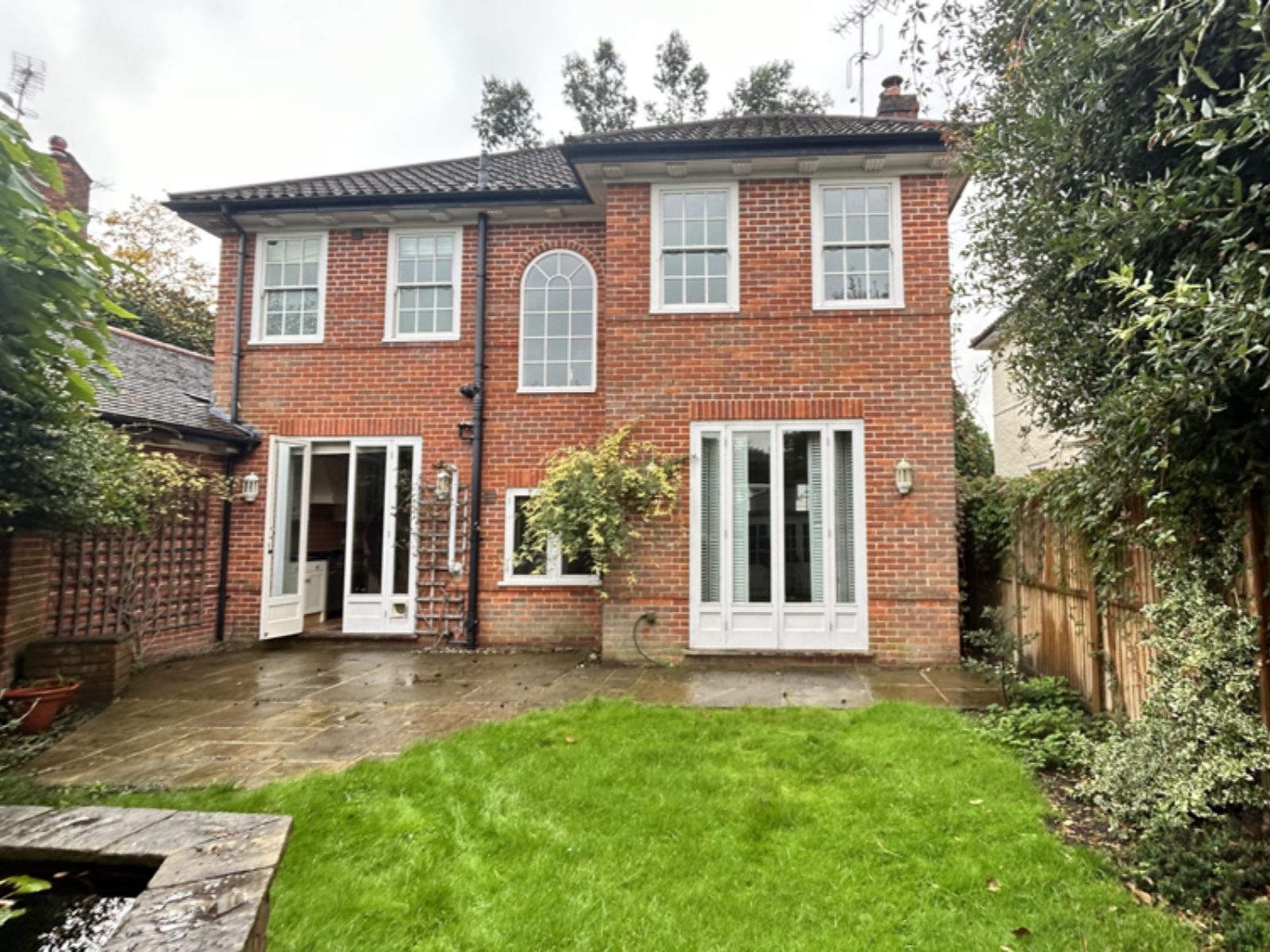
During this phase, the design team prepares drawings, layout options, and concept designs.
Key activities:
- Measured surveys
- Concept and layout options
- Budget refinement
- Design adjustments
The complexity of the project will influence how long this takes. Open-plan layouts or structural changes require more time.
Typical duration: 6–12 weeks
Stage 3: Planning Permission (If Required)
Not all extensions need planning permission. Some fall under permitted development rights. However, London boroughs can have stricter controls, especially in conservation areas.
Professional advice from consultants aligned with bodies such as Royal Institution of Chartered Surveyors can help reduce delays.
Planning timeline:
- Application submission
- Review by the local council
- Possible revisions
- Stay within budget
Typical duration: 8–12 weeks
Delays can occur if:
- Neighbours object
- Design changes are required
- The property is listed or in a conservation zone
Typical duration: 8–12 weeks
Stage 4: Technical Design and Building Regulations
Once planning is approved, detailed technical drawings are prepared for construction.
This stage includes:
- Structural engineering
- Building regulation compliance
- Construction details
- Contractor pricing
These drawings ensure the project meets UK standards and reduces risks during construction.
Typical duration: 4–6 weeks
Stage 5: Tendering and Contractor Selection
If you are following the Traditional route, the project is tendered to multiple contractors.
If you choose a Design & Build company, this stage overlaps with the design process.
Activities include:
- Comparing quotes
- Reviewing programmes
- Checking references
Typical duration: 3–5 weeks
Stage 6: Construction Phase
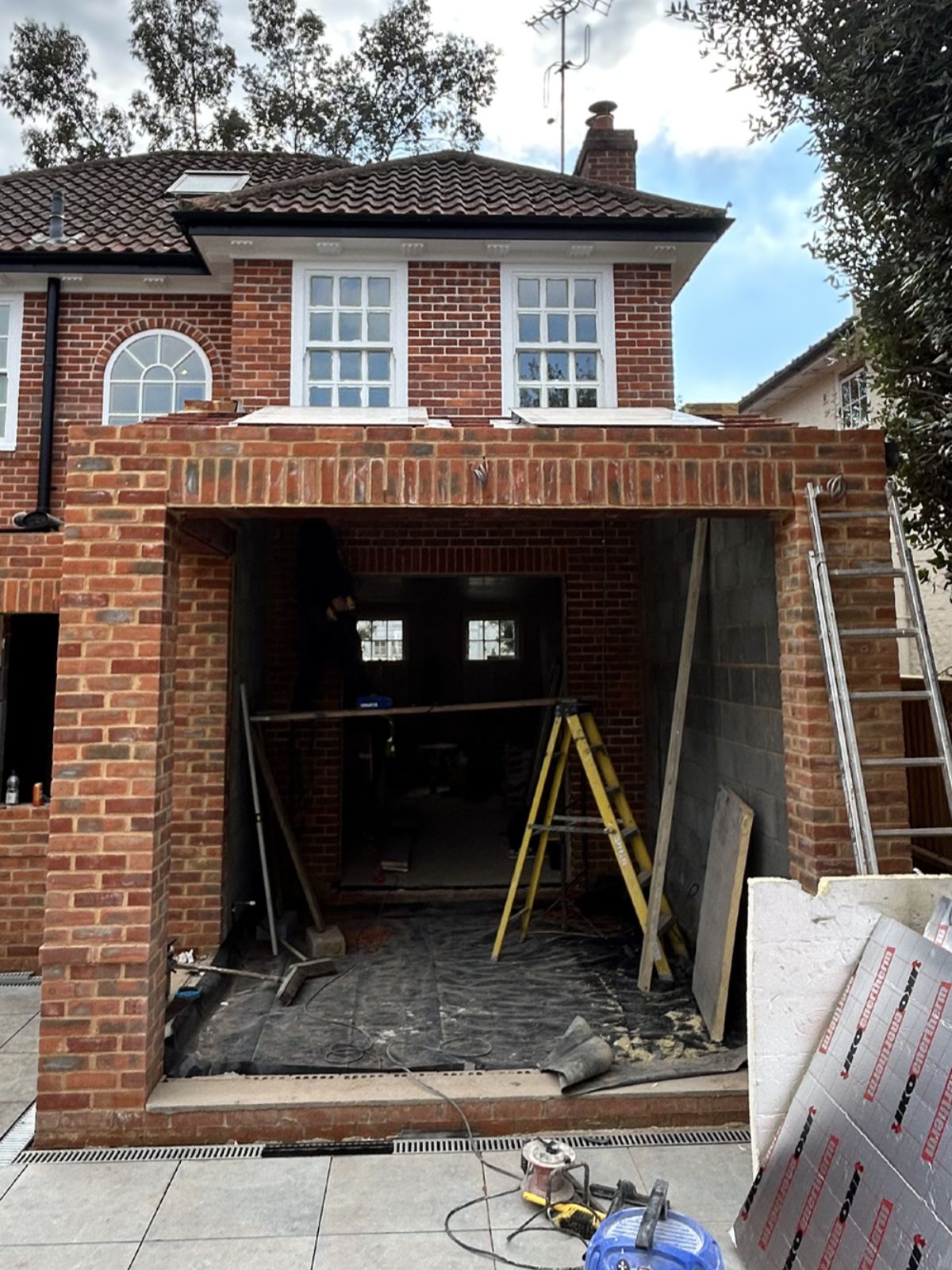
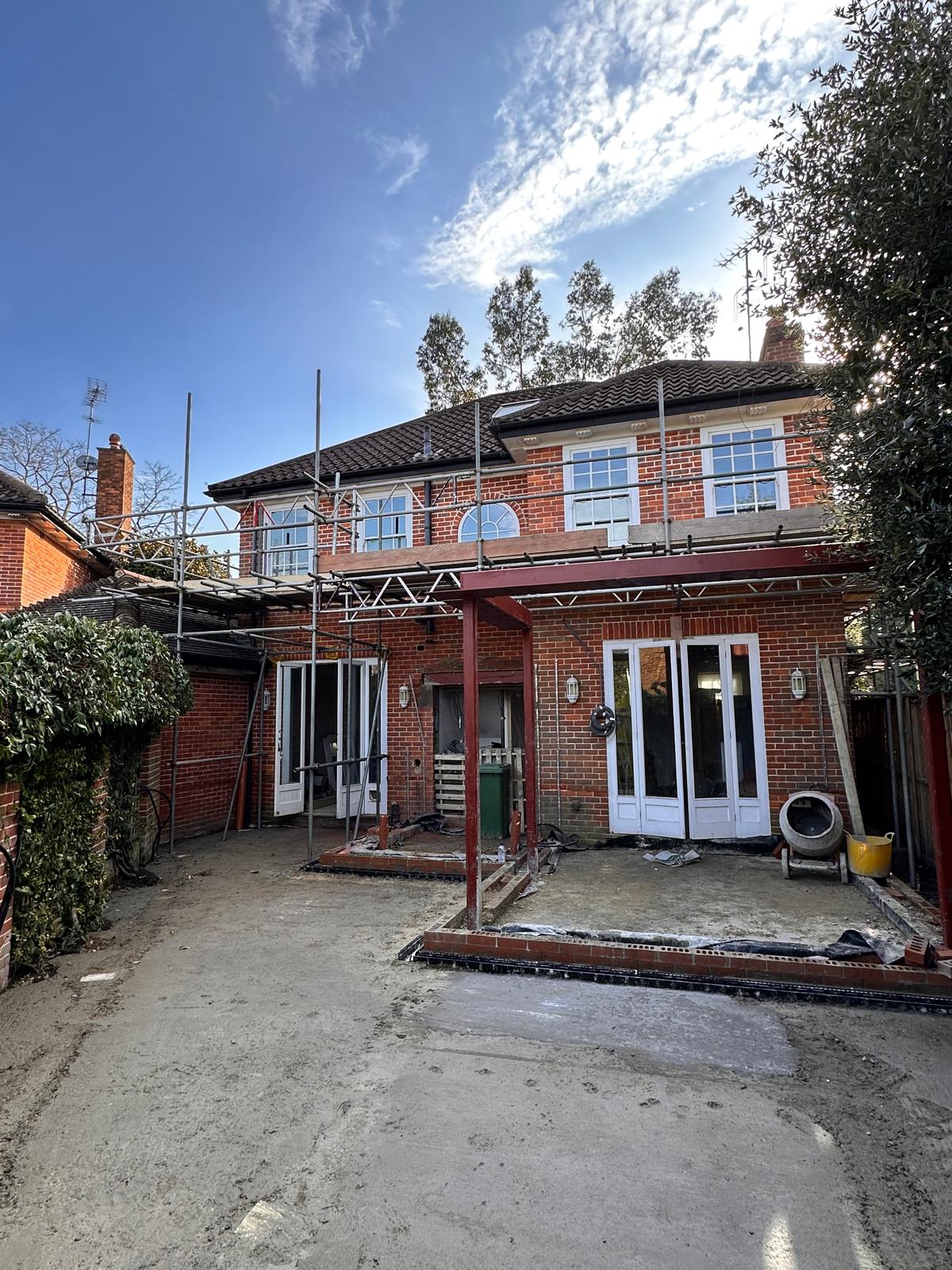
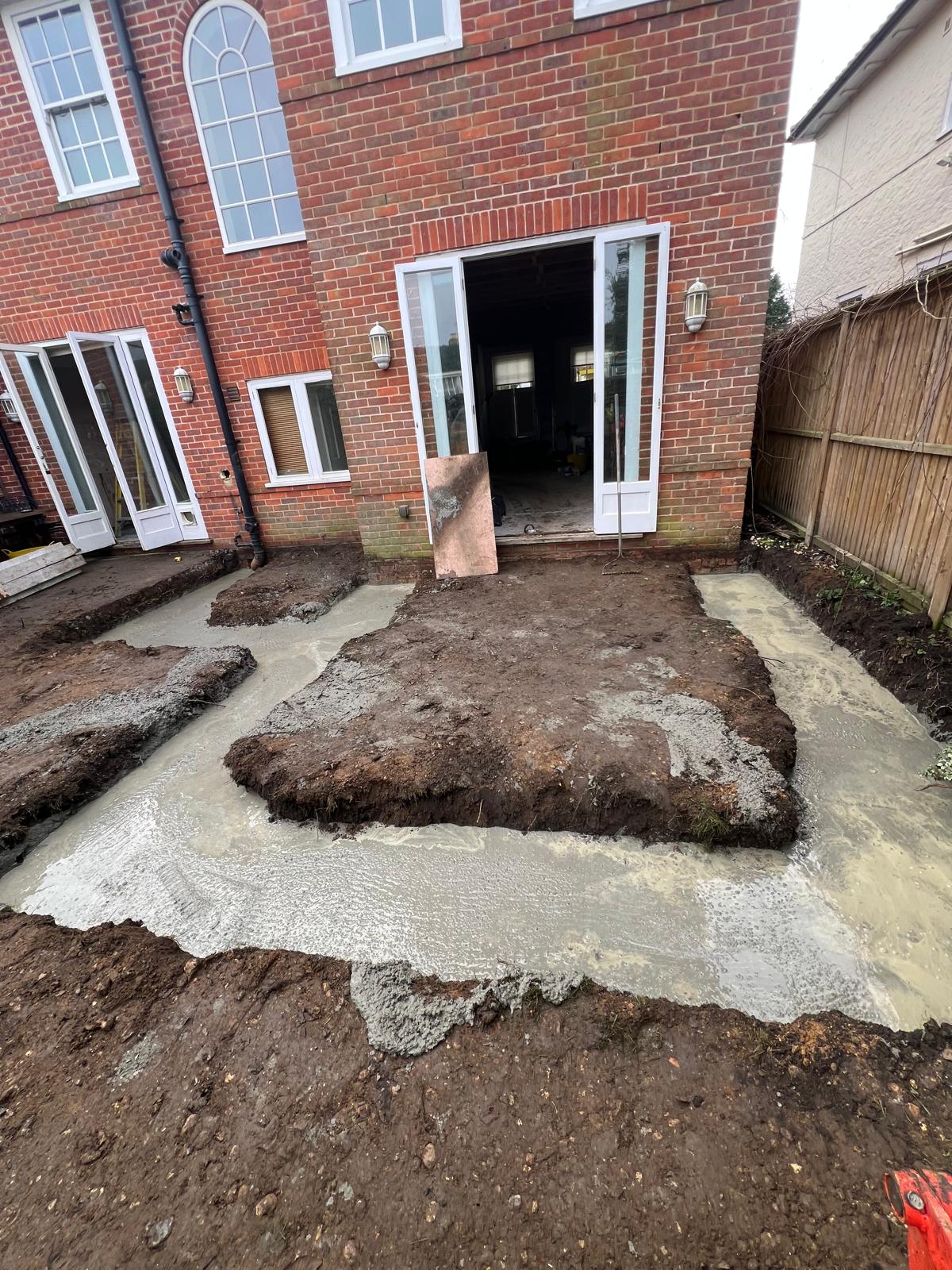
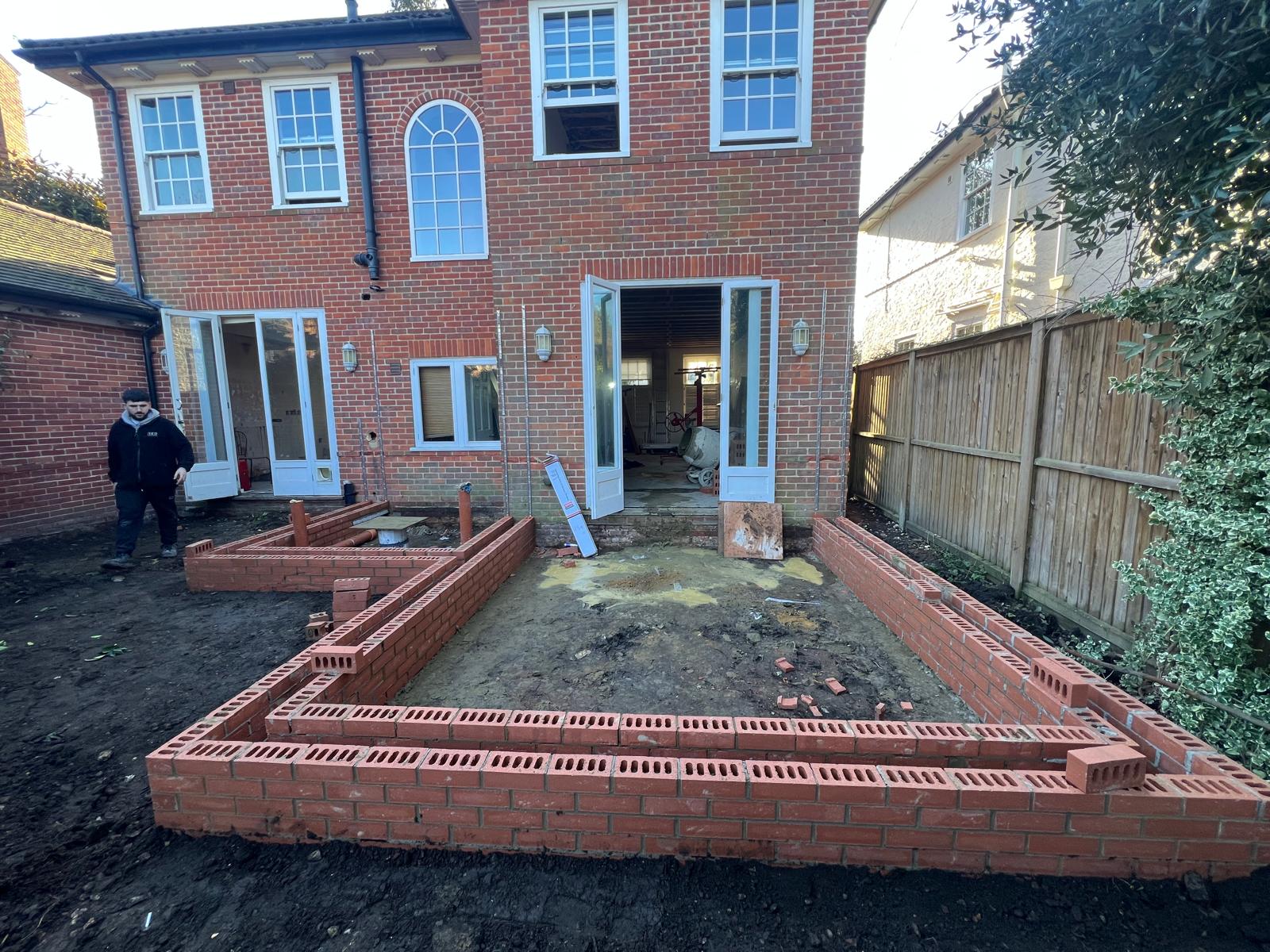
The build stage depends heavily on the extension type.
Typical build durations:
Single-storey extension:
- 10–16 weeks
Double-storey extension:
- 16–24 weeks
Loft conversion:
- 8–12 weeks
Basement extension:
- 6–12 months
More complex projects in areas such as Kensington or Chelsea may take longer due to access restrictions and planning conditions.
Factors That Can Delay a London Extension
Understanding common delays can help you manage expectations.
- Planning and Regulations
- London councils often require detailed documentation, and approval times vary.
- Party Wall Agreements
- If your extension affects neighbouring properties, this legal process can take several weeks.
- Weather Conditions
- Winter construction may slow progress.
- Design Changes
- Late alterations can add weeks or months.
- Material and Labour Shortages
- The UK construction sector continues to face supply challenges in 2026.
How to Speed Up Your Extension Project
Here are expert tips to keep your project on track:
- Start planning early
- Choose an experienced London contractor
- Finalise the design before construction
- Use a Design & Build approach
- Maintain regular communication
- Order materials in advance
Good project management significantly reduces delays.
Living at Home During the Build
Many homeowners ask whether they can stay in the property.
This depends on:
- Project scale
- Structural work
- Health and safety
For smaller rear extensions, it is often possible. However, larger renovations may require temporary accommodation.
Final Thoughts
A typical London house extension takes 6 to 12 months, but early planning, clear communication, and the right team can make the process smoother and faster.
.
Working with experienced professionals, setting a realistic timeline, and preparing for potential delays will ensure your project runs efficiently and stays within budget.
If you’re planning a house extension in London in 2026, speaking with specialists early in the process will give you a clear roadmap and reduce stress.